
Back
Press Release
ACT won't sacrifice farmers for Paris targets
ACT is announcing a science-based climate policy that puts New Zealand's interests first. If the Paris Agreement cannot accommodate targets that reflect the real warming impact of New Zealand's emissions, then New Zealand should leave it.

Andrew Hoggard
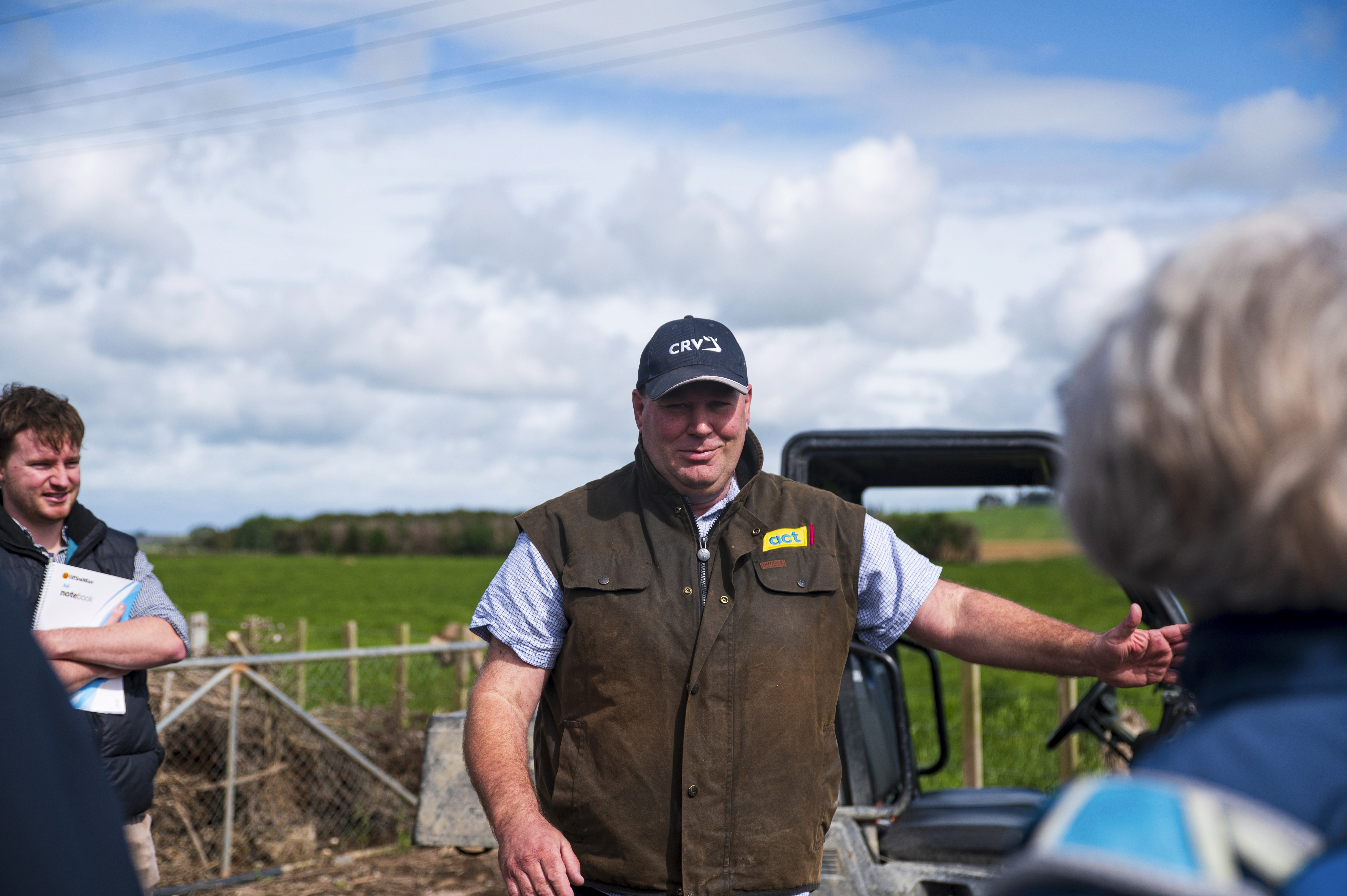
ACT is announcing a science-based climate policy that puts New Zealand's interests first. If the Paris Agreement cannot accommodate targets that reflect the real warming impact of New Zealand's emissions, then New Zealand should leave it.
“New Zealand's farmers are the most emissions-efficient in the world, yet they are treated like climate villains and punished by climate targets that ignore the difference between methane from livestock and carbon from fossil fuels,” says ACT’s Agriculture spokesperson Andrew Hoggard.
“The Paris Agreement provides a pathway for New Zealand to issue its own Nationally Determined Contribution. ACT is campaigning to do that in the next term of Parliament so we can have a plan that is ambitious for New Zealand and reflects the science of climate change.
Our proposed NDC would:
Recognise a split gas approach that treats long-life gases like carbon dioxide and short-lived gases like methane differently. That is critical for recognising the efficiency of our agricultural sector.
Revisit the Emissions Reduction Plans. ACT will reset these around realistic targets, the split-gas approach, and genuine environmental outcomes rather than compliance with a framework designed for industrialised economies with fundamentally different emissions profiles to ours.
Keep agriculture out of the Emissions Trading Scheme. New Zealand dairy has a carbon footprint 46% lower than the global average. ACT opposes methane pricing because taxing the world's most emissions-efficient farmers won't change the climate. Putting a price on that isn't climate policy – it's a tax on the world's most efficient food producers, which makes your groceries more expensive while shifting production to countries that do it worse.
“Under the current approach, prime farmland gets converted to pine trees, farmers face new costs for emissions they're already managing efficiently, and global emissions don't drop – because other countries with higher-footprint production simply fill the gap. That's not an environmental outcome. That's an economic and environmental own-goal.
"Current climate targets treat methane from a cow the same as carbon from a coal burner. That just isn’t scientific. “The result is that New Zealand farmers are being told to cut production while other countries increase output. That's not reducing global emissions, it's sending our jobs, our land, and our food production offshore – to countries that produce it less efficiently and with a higher carbon cost. It's exporting jobs, investment, and food production overseas.”
ACT Climate spokesperson Simon Court says: “ACT will submit a new Split-Gas emissions target that focuses on actual warming. Long-lived gases will continue on a path to lowering emissions, while biogenic methane will be managed under a No Additional Warming approach.
“We will also permanently keep agriculture out of the Emissions Trading Scheme. Taxing the world's most emissions-efficient farmers won't change the climate. It will just make food more expensive and push production into less efficient countries.
“Last year, ACT made it clear that the Paris Agreement is broken and that New Zealand deserves a better climate deal. Today, we are putting forward exactly what that better deal looks like.
“New Zealand produces dairy with a carbon footprint 46% lower than the global average. We should be expanding our production, not retreating. ACT is the only party with the courage to stand up to the UN, rewrite the rules, and secure a future where farming grows.”