
Back
Press Release
ACT will back volunteers who restore war graves
Ahead of ANZAC Day, ACT has announced a commitment to restore New Zealand’s neglected service graves by supporting the New Zealand Remembrance Army.
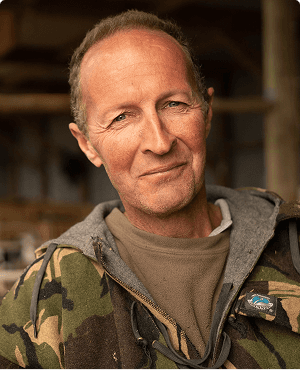
Mark Cameron
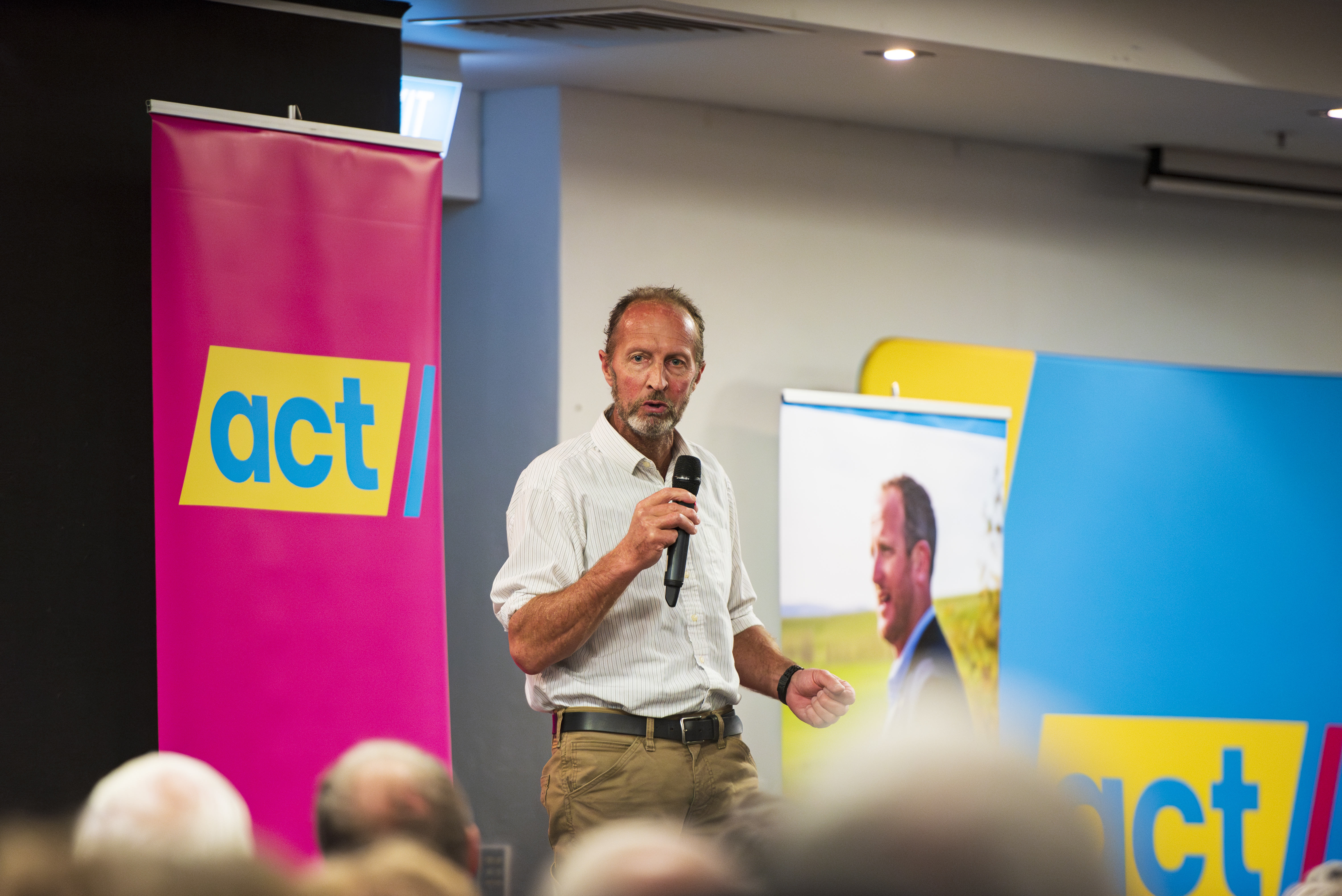
Ahead of ANZAC Day, ACT has announced a commitment to restore New Zealand’s neglected service graves by supporting the New Zealand Remembrance Army.
“Every ANZAC Day, politicians take the chance to speak at dawn services. But we should ask ourselves: are we honouring those who served with more than just words?” says ACT Veterans spokesperson Mark Cameron.
“Over the past eight years, the Remembrance Army has restored more than 300,000 service graves and told over 15,000 individual service stories. That’s been achieved by volunteers and private sponsorship, restoring around 30,000 graves a year on a budget of just $70,000 – a cost of barely more than $2 per grave.
“Despite delivering results, they’ve had to navigate a fragmented, inefficient system. The Remembrance Army has had to deal with 62 different councils, with different processes and interpretations of cemetery rules, which has made it very difficult to manage their work on a national scale.
“Somehow, government has become the problem for these volunteers. The job is already being done, just not at the scale it should be.
“The Remembrance Army wrote to Parliament and asked us to cut through the bureaucracy. ACT has listened.
ACT will:
Require councils to accept grave restoration work under a national standard developed by Veterans’ Affairs in consultation with the Remembrance Army, instead of under dozens of local rulebooks.
Designate the Remembrance Army and similar groups as nationally recognised heritage restoration partners.
Remove additional red tape on organisations doing nationally significant work.
ACT is prepared to set aside up to $1 million for the development of this framework, and for a direct Crown grant to the Remembrance Army enabling them to clear the remaining backlog of neglected graves.
“ACT does not support paying public servants or council workers to do a job that is done more efficiently, with more care, by volunteers who understand the stories of the fallen. But if the state asks you to lay down your life for Crown and country, the least it can do is back the volunteers who keep your memory alive and your gravesite tidy.”