
Back
Press Release
ACT unveils plan for radically simpler, smaller government
“New Zealand needs a smaller, more efficient government if we are going to balance the books, lift wages, restore trust in democracy, and unlock New Zealand’s potential,” says ACT Leader Seymour.

David Seymour
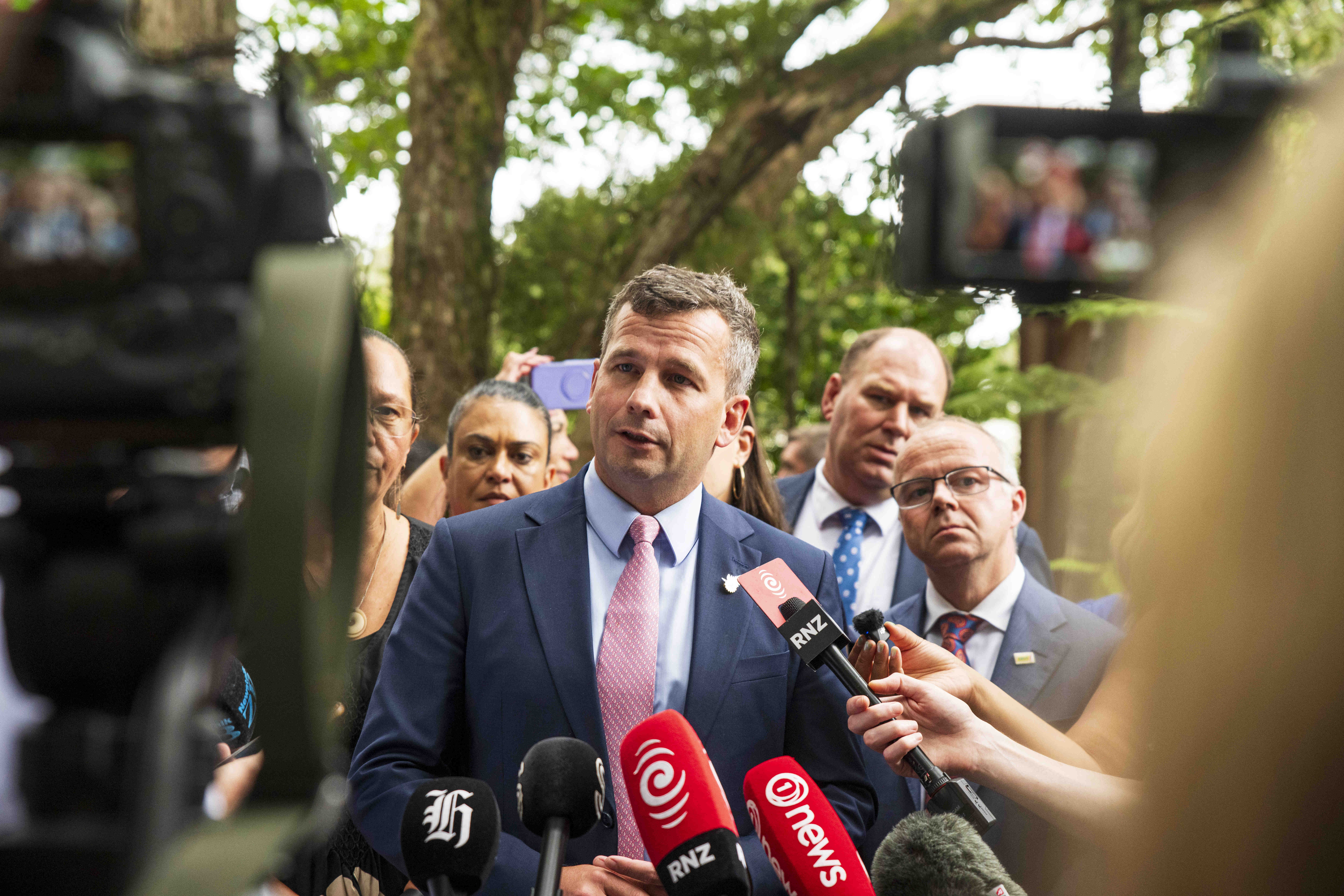
“Making New Zealand affordable again must start at the top," says ACT Leader Seymour, announcing ACT's plan for a simpler, smaller government at the Party's 2026 Rally.
“New Zealand needs a smaller, more efficient government if we are going to balance the books, lift wages, restore trust in democracy, and unlock New Zealand’s potential," says Mr Seymour.
“Today ACT is setting out the next level of detail in our policy with fewer departments, fewer ministers, and clear lines of accountability so taxpayers pay less and get better services.
“New Zealand has 78 ministerial portfolios, 28 ministers, and 43 departments. Norway has a similar population and runs with 20 ministers across 17 ministries. New Zealand’s oversized Government isn’t intentional, it’s like a hedge that stopped being trimmed years ago.
“The result is a Government that is too tangled to act. Housing, infrastructure, welfare dependency, crime, and health all cut across multiple agencies. When seven departments share a problem, it can stop being anyone’s job to solve it. Kiwis are left frustrated, bouncing between departments or denied straight answers.
“Sprawling, tangled bureaucracy is expensive. It costs money that can’t be returned to taxpayers, can’t pay down debt, can’t reach the nurse, teacher or police officer on the frontline, and can’t build the infrastructure we need.”
Under ACT’s plan:
• The 43 departments would be consolidated into 19 coherent departments.
• The 78 overlapping portfolios with 28 ministers would be collapsed into just 18 ministers.
• Each department would report to one minister for its budget and outcomes.*
• Ministers would be allowed to appoint chief executives for a fixed term, renewable once, with clear protections for officials.
• Chief executives could be removed by Ministers for specified reasons such as non-performance or policy misalignment, but they would retain public service protections and the right to return to a lower classified role.
• Operational independence would be protected by law for agencies that need it, such as Police, NZSIS, and NZDF.
ACT’s full proposal, 'ACT’s plan for a consolidated bureaucracy', can be found here.
“Overseas research shows more ministers with spending power means bigger deficits. When many ministers each control part of the budget, but the cost falls on the whole tax base, each has an incentive to grow their own spending while bearing only a fraction of the cost.
“ACT’s plan won’t affect frontline services like nurses, teachers, or police. If anything, it will make them more effective with clear lines of responsibility and a focus on their core role.
“The Coalition Government has accepted the argument for a smaller Government, but current changes are tinkering around the edges. Kiwis are tired of piecemeal change that takes forever, so ACT is proposing a thought-out plan for the whole government, that we can start rolling out immediately in the next term.
“ACT would also fix the broken accountability line between ministers and departmental chief executives. At the moment, ministers are held responsible for delivery, but they do not appoint the person leading the department responsible for that delivery. ACT would remove the Public Service Commission and allow ministers to appoint chief executives, and chief executives could be removed for specified reasons.
“That is how we unlock New Zealand’s potential. A government with clear structure and limits, not the tangled result of accidental growth. Small enough to be accountable, simple enough to act, and focused on results for New Zealanders instead of managing itself.”
*Except for the newly-created MCERT.