
Back
Press Release
ACT to campaign on reversing democratic backslide in local government
ACT will campaign to amend the Local Government Act to prohibit voting rights for unelected appointees on local council committees.
David Seymour
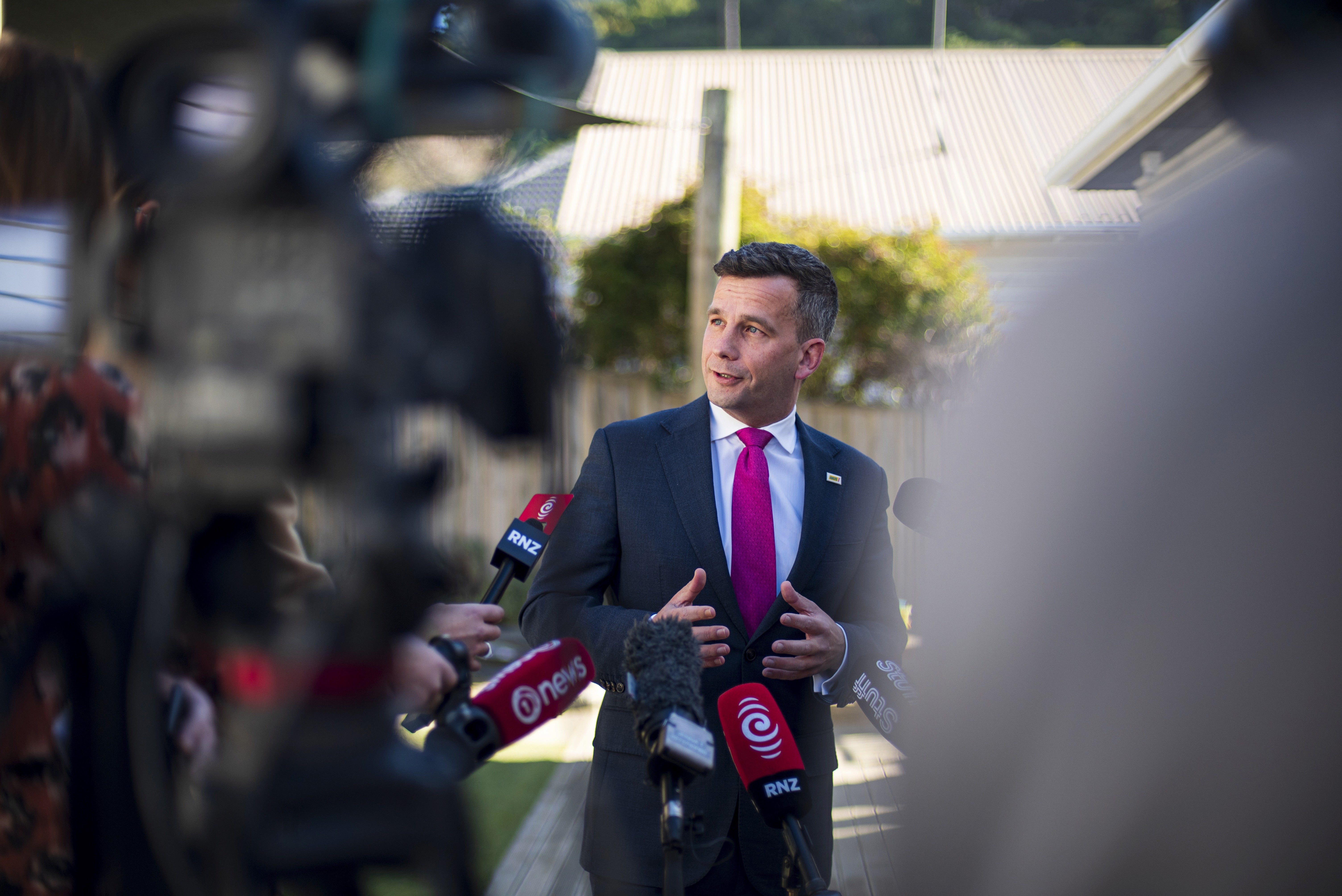
ACT will campaign to amend the Local Government Act to prohibit voting rights for unelected appointees on local council committees.
“If you’re voting on council decisions, you should be accountable to the people paying the bills. That means facing free and frequent elections,” says ACT Leader David Seymour.
“At a growing list of councils, democracy is being eroded. Unelected appointees sit alongside elected representatives, with the power to override their decisions or swing crucial votes.
“ACT will make a simple change to the law: unelected members of council committees and subcommittees would no longer have voting rights, and would not count toward quorum. This applies equally to any unelected appointee of any background, whether iwi representatives, youth councillors, or business and community groups.”
ACT has this week lodged Cameron Luxton’s Local Government (Restoring Democratic Integrity) Amendment Bill in Parliament’s ballot.
“If ACT’s bill isn’t adopted as Government legislation, we will take it to the election and get it done in the first 100 days of the next Parliament,” says Seymour.
“When we first raised this issue in September last year, the Local Government Minister told us he had other priorities. But ACT says democracy is fundamental and urgent. Unelected appointees can use their positions to expand the same co-governance structures that got them appointed. We risk a spiral that entrenches special interests and sidelines the people who are subject to free and frequent elections.
“ACT doesn’t have an issue with councils seeking input from interest groups. But if someone wants voting power over ratepayer-funded decisions, they should stand up and make their case to voters in an election.”
Examples of councils with unelected appointees in governance roles
Below are current examples of councils that have appointed unelected representatives to council committees, governance structures, or formal co-governance arrangements.
Auckland Council
Auckland’s Houkura / Independent Māori Statutory Board sees two Houkura board members sit with voting rights on committees dealing with natural and physical resource management. ACT opposed the establishment of the Independent Māori Statutory Board in 2009.
Hastings District Council
In 2024, councillors voted to give Youth Councillors the right to vote on council subcommittees.
Far North District Council
Far North District Council has appointed 10 unelected iwi and hapū representatives with voting rights to its Te Kuaka committee, alongside 6 elected members.
New Plymouth District Council
Five unelected iwi appointees – including the co-chair – sit alongside four councillors on Te Huinga Taumatua, one of the council’s formal committees with delegated decision-making powers.
Tasman District Council
Elected members recently confirmed one non-voting iwi representative on the full council and one voting iwi representative on each of two standing committees.
Kāpiti Coast District Council
Kāpiti’s governance structure includes mana whenua representatives as full members on major committees, with rights to participate in debate and vote.
Wellington City Council
Wellington’s pouiwi are non-elected mana whenua representatives appointed to council committees, subcommittees, and working groups as full members with rights to participate in debate and vote.
Invercargill City Council
Invercargill’s mana whenua representatives have voting rights at committee level and speaking rights at full council meetings.
Waikato District Council
Waikato District has a formal joint committee with Waikato-Tainui under its river-settlement framework. Council says a joint committee of council members and Waikato-Tainui has been established to discuss implementation of the agreement.
South Taranaki District Council
South Taranaki’s Te Kāhui Matauraura is a formal standing committee made up of iwi representatives together with the Mayor, Deputy Mayor, and one councillor.
Otago Regional Council
Otago Regional Council has committed to finding “a mutually agreeable way to embed representation into our governance structure this triennium", including an Integrated Catchment Management Programme that will co-develop Catchment Action Plans with community and mana whenua.
Greater Wellington Regional Council
As soon as next month, GWRC is considering appointing six unelected iwi representatives with full voting rights to its Te Tiriti Committee.
Canterbury Regional Council (Environment Canterbury)
Under the Canterbury Regional Council (Ngāi Tahu Representation) Act 2022, Te Rūnanga o Ngāi Tahu appoints up to two members of the council itself with full decision-making powers. This case may be dealt with via already-signalled changes to the structure of regional councils.
Taranaki Regional Council
Taranaki Regional Council has appointed three iwi representatives to each of its two main standing committees as part of Treaty settlement arrangements.
Southland Regional Council (Environment Southland)
Environment Southland has appointed mana whenua representatives to two standing committees.