
Back
Press Release
ACT backs targeted grazing to tackle pests and fire risk on DOC land
“Taxpayers are footing the bill for a helicopter spraying programme when a flock of sheep could be doing the job for free,” says ACT’s Agriculture spokesperson Andrew Hoggard as he releases new rural policy at Fieldays.

Andrew Hoggard
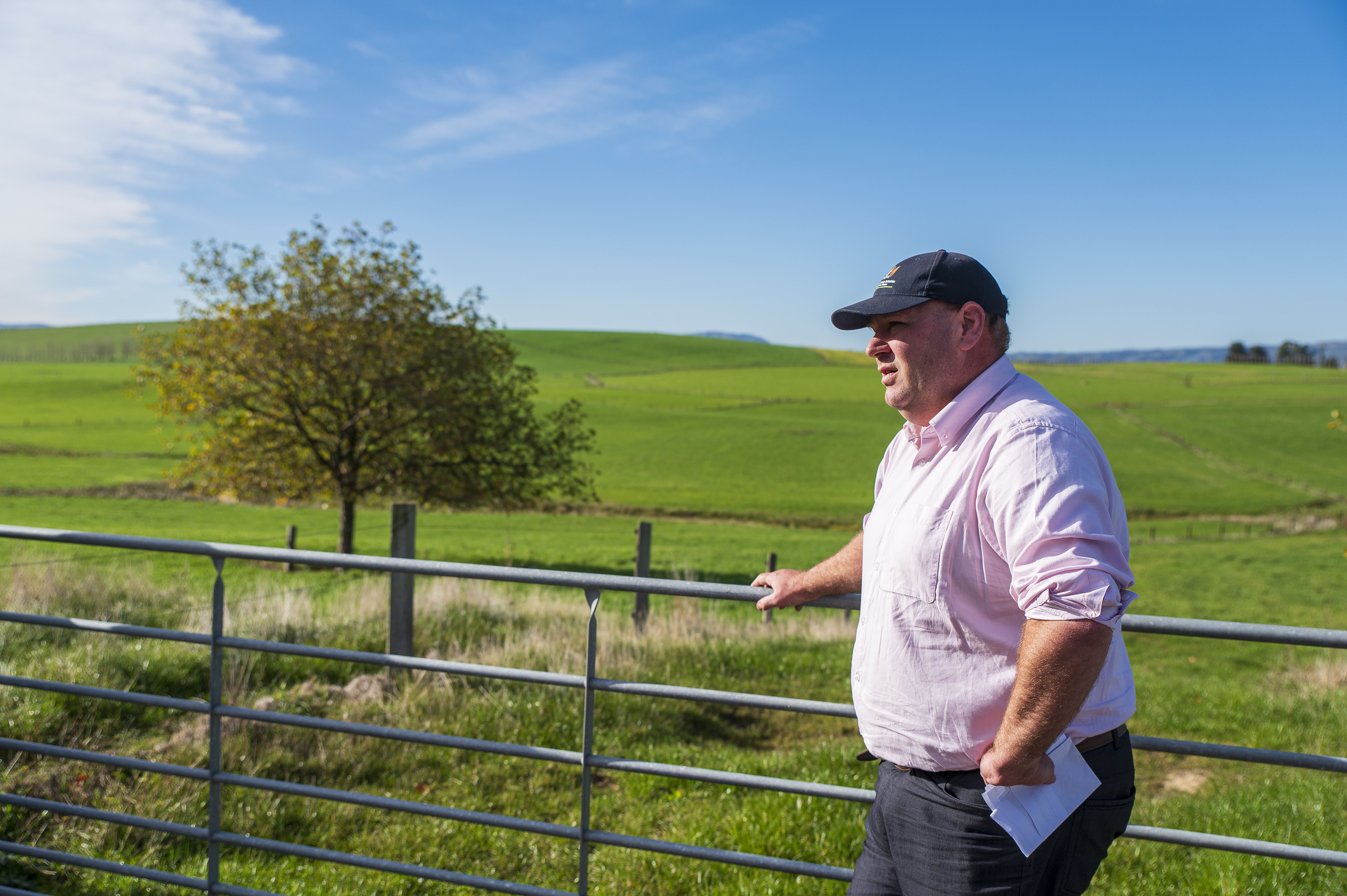
“Taxpayers are footing the bill for a helicopter spraying programme when a flock of sheep could be doing the job for free,” says ACT’s Agriculture spokesperson Andrew Hoggard as he releases new rural policy at Fieldays.
"Wilding conifers are the largest invasive species challenge in New Zealand, choking 1.8 million hectares of land. The Government has invested sensibly into fighting them, but we can do a lot more by allowing farmers to graze livestock.
"DOC manages large areas of open country, former pastoral land, and other nonforest conservation land that could be safely grazed under controlled conditions. Too often, however, farmers seeking grazing concessions are met with resistance or unnecessary barriers. The result is less active land management, more wilding pines, and growing fuel loads that increase wildfire risk.
"By locking up the land and throwing away the key, the Government hasn’t just allowed invasive plants and pests to thrive; it has turned parts of the conservation estate into a severe wildfire risk. The heavy vegetation fuel loads left behind are a disaster waiting to happen.
"The current rules make it unnecessarily difficult to use targeted grazing on Crown conservation land. Instead, taxpayers are forced to pay for expensive aerial spraying and manual cutting. It is a regulatory failure that is actively harming the environment and wasting public money.
"Overseas, they know better. In the United States, Australia, and across Europe, targeted grazing is a standard, internationally recognised tool for managing invasive plants, controlling vegetation growth, and reducing wildfire fuel loads. Portugal even uses it specifically to build forest resilience against fires. It’s time New Zealand caught up. It’s time to stop treating farmers like the enemy and start treating them as part of the solution. We need to unleash practical, rural knowledge on this crisis.”
To restore common sense to conservation management, ACT will:
Amend the Conservation Act 1987: ACT will give DOC explicit authority and direction to issue grazing licences for specified areas of conservation land where grazing supports vegetation management objectives.
Target invasive plants and fire risk: ACT will establish a clear ecological framework to identify where grazing is appropriate to suppress conifer seedlings and other invasive vegetation, while reducing the fuel loads that contribute to devastating wildfires.
Set practical licence conditions: ACT will ensure licences specify appropriate stocking types, rates, and duration, ensuring the land is managed effectively without burying farmers in bureaucratic red tape.
Allow virtual fencing: ACT will recognise virtual fencing systems as a compliant method of stock exclusion to reduce the burden on farmers grazing their stock on DOC land.
"Grazing isn't the answer to every pest problem, but it is one of the most practical tools available for managing invasive plants, reducing fire risk, supporting rural economies, and ensuring conservation land is actively managed rather than left to become a source of weeds and fuel loads. The current rules effectively block targeted grazing on Crown conservation land,” says Mr Hoggard.
"For too long, Wellington has ignored the practical knowledge that rural communities have built over 150 years of managing these landscapes. ACT is bringing practical, farm-first solutions to Parliament. It’s time to cut the red tape and let farmers do what they do best.
"ACT is proud to be rural New Zealand’s authentic voice in parliament. When every other party sold rural New Zealand out with the Zero Carbon Act, ACT stood alone against it and kept campaigning to keep agriculture out of the ETS. We've achieved that in Government, we're making property rights the focus of the RMA, we've gotten rid of Labour's anti-farming policies like the ute tax, winter grazing rules and overzealous freshwater farm plans."