
Back
Let the Kid on the Bus
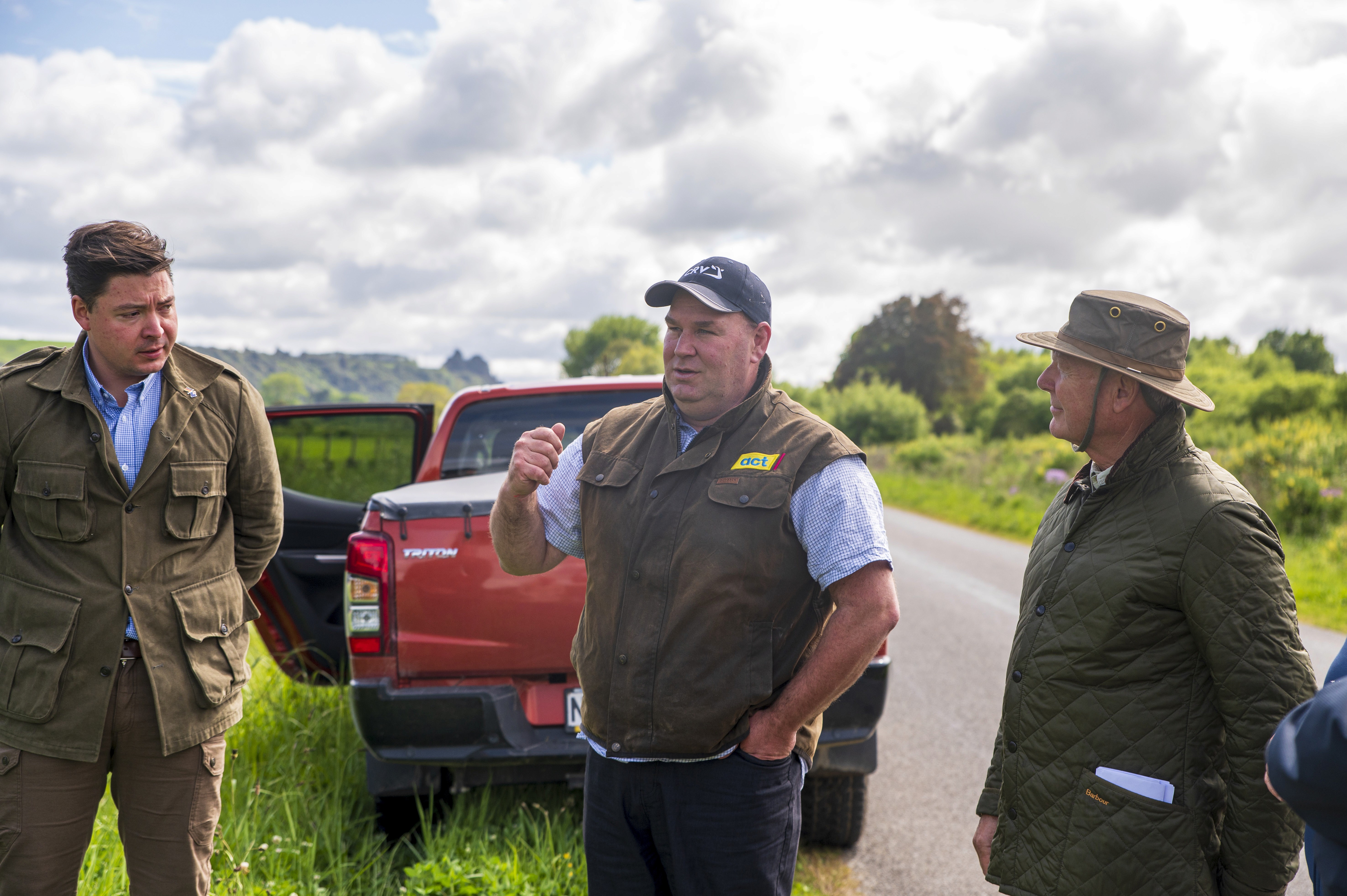
School transport rules are built around a child's nearest school. In rural communities, that can leave an empty seat passing a waiting child because their family chose a different school.
Parents then make the same trip in their own car or ute, spending time and fuel while a taxpayer-funded bus travels the route with room to spare.
ACT's Open Seat Rule would use that spare capacity. In most cases it would not require any extra spending. If demand fills a route, more buses could be funded from within the Ministry of Education's existing budget.
ACT will:
Introduce an Open Seat Rule for school transport.
Let any child living along an existing school bus route use the service when a seat is available, regardless of which school they attend.
Provide an additional bus where demand on a route grows beyond its capacity.
Fund any additional buses from within the Ministry of Education's existing budget by cutting waste.
In our team’s words:
ACT MP Andrew Hoggard says:
“In most cases this would not require any extra spending. If a route filled up, we would add buses and fund them from within the Ministry of Education’s existing budget by cutting waste. Money should get children to school, not be tied up in Wellington bureaucracy.
“The nearest-school rule does not reflect how rural communities live. Families choose schools based on where siblings go, the support available, and what works around jobs and farm life. They need flexibility, not hard-and-fast rules that leave children waiting and families paying for a second transport system.”
ACT Leader David Seymour says:
“If a taxpayer-funded bus is already running with an empty seat, no child should be left on the roadside because of a Wellington rulebook. It is a small, common-sense change that saves families time and fuel while using the transport taxpayers have already paid for.”